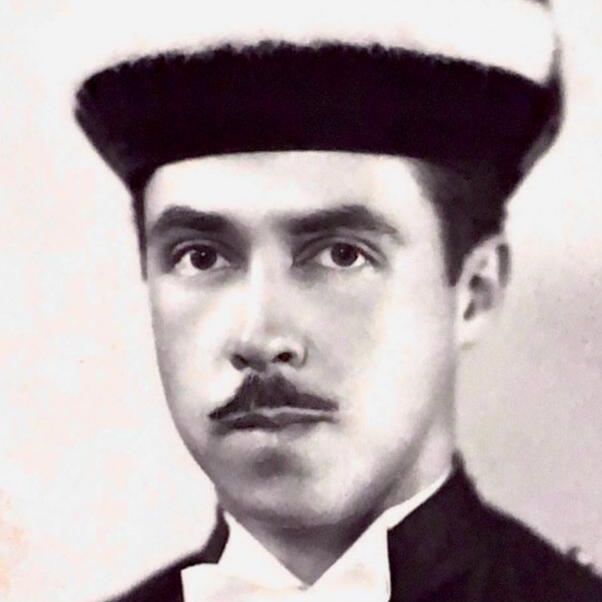
The Book

Waiting For The Systole: The Hidden Principle and the Stolen Pill
O Livro
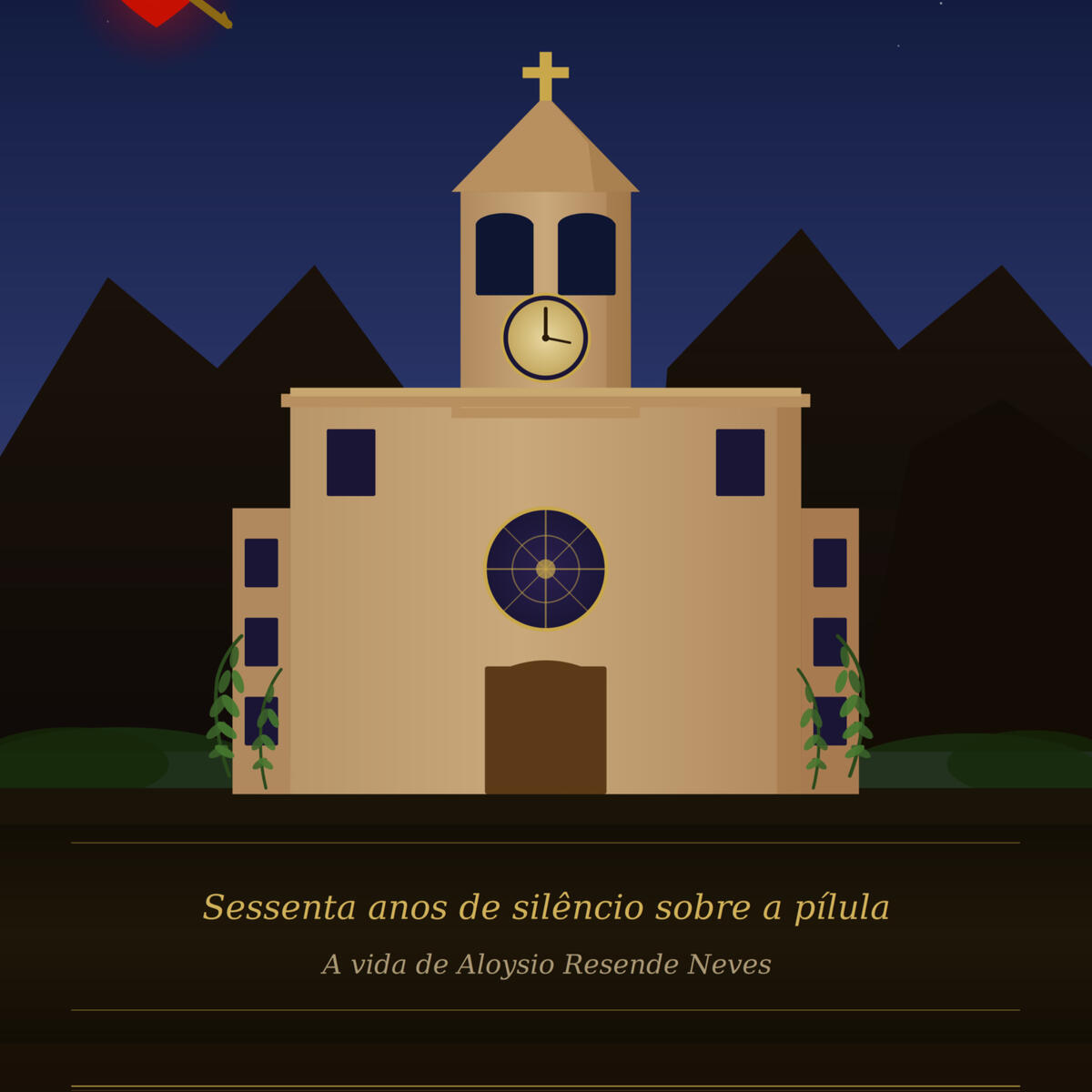
À Espera da Sístole: Pernambuco 753 - A vida de Aloysio Resende Neves
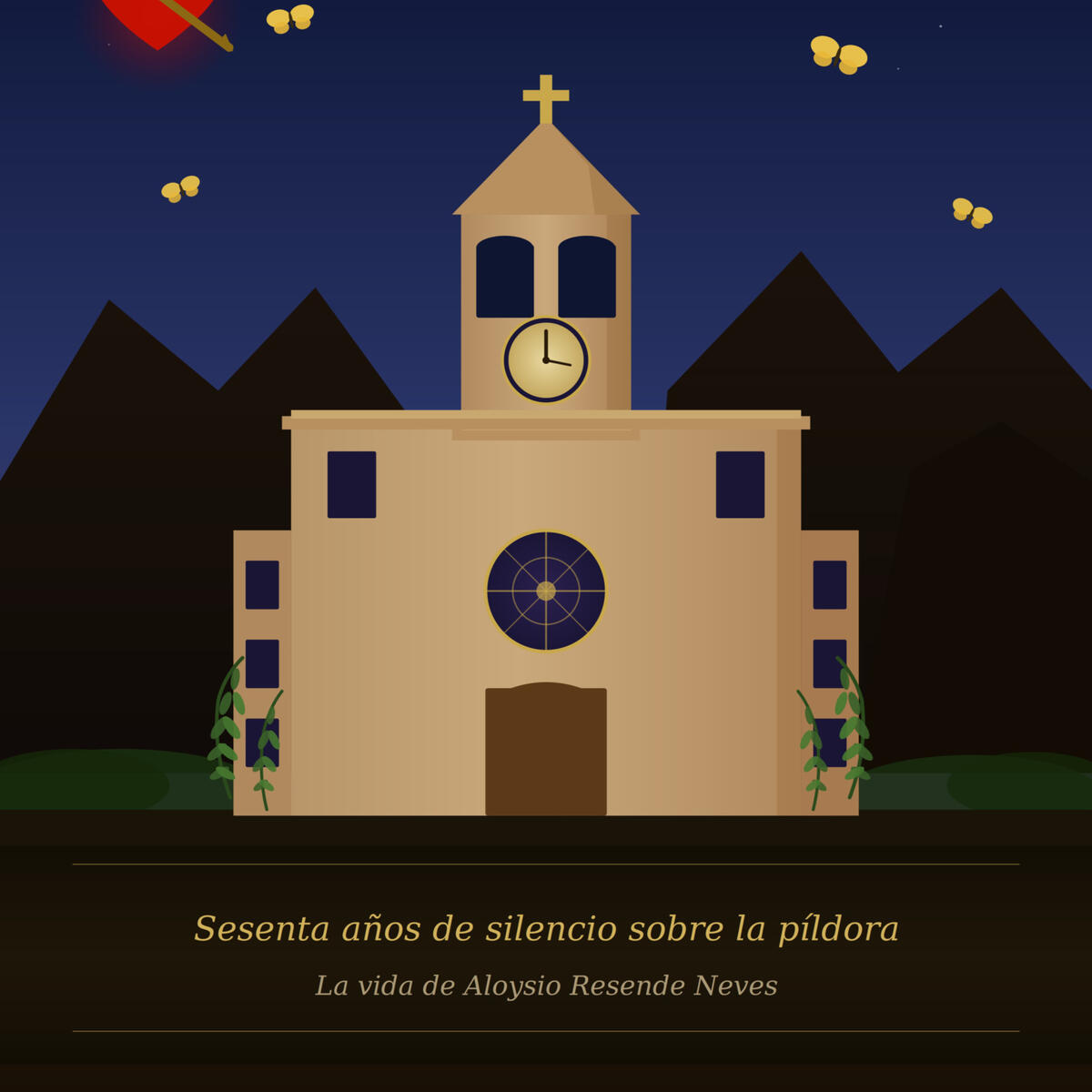
A La Espera De La Sístole: Sesenta años de silencio sobre la píldora
Author’s Note
on the English EditionThis book was originally written in Portuguese, in the literary register of Guimarães Rosa — the writer who raised the sertão of Minas Gerais to universal territory. These are places where a family name carries centuries, where defeat is borne with a particular grammar, where time does not flow so much as accumulate, and where patient, biblical men belong to an order of their own.Sixty years of silence are the heart of this book. This silence that belongs to the history of science, but also to the history of Latin America — a continent where great truths are often discovered at the periphery and recognized at the center, when they are recognized at all. This is not only a history of patents. It is a history about who has the right to discover.By bringing this story to the English language, we are finally returning to the very center that once ignored it. May the English-speaking reader find in these pages not just the biography of a wronged scientist, but the universal testament of a man who knew how to wait for the exact moment — the perfect systole — to let the truth pulse.Lucas Neves, M.D. PhD.
Physician · Professor · Grandson
Rio de Janeiro, 2026
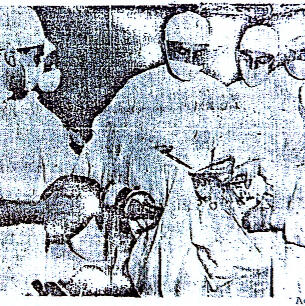
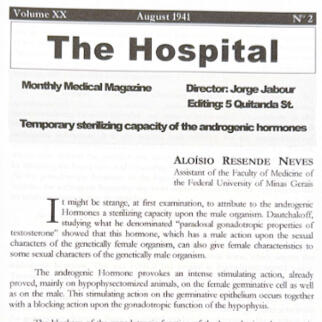
In 1941, a young Brazilian physician discovered the scientific principle that would liberate a billion women. To bypass the censors of a dictatorship and the fierce persecution of the Catholic Church, he disguised his findings in a medical journal, meticulously substituting key anatomical words. The censor let it through. The world ignored it.Waiting for the Systole is a memoir written by his grandson — a physician who, during a year long medical internship in his grandfather's home, slept beside the library where a lifetime of ignored discovery was kept. From the stone cities of Minas Gerais to the corridors of Columbia University, from the operating table where he saved his cousin Tancredo Neves, who would become Brazil's president-elect, to the quiet evenings watching cartoons and laughing with his whole body — this is a portrait of a man who changed the world and walked, unbroken, through the silence that settled over his name. And of the woman — Helena — who kept the house running while he kept the discovery alive.The true, hidden history of the birth control pill. A story of science, silence, and sixty years of waiting.
Lucas Neves de Andrade Lemes, M.D. PhD.
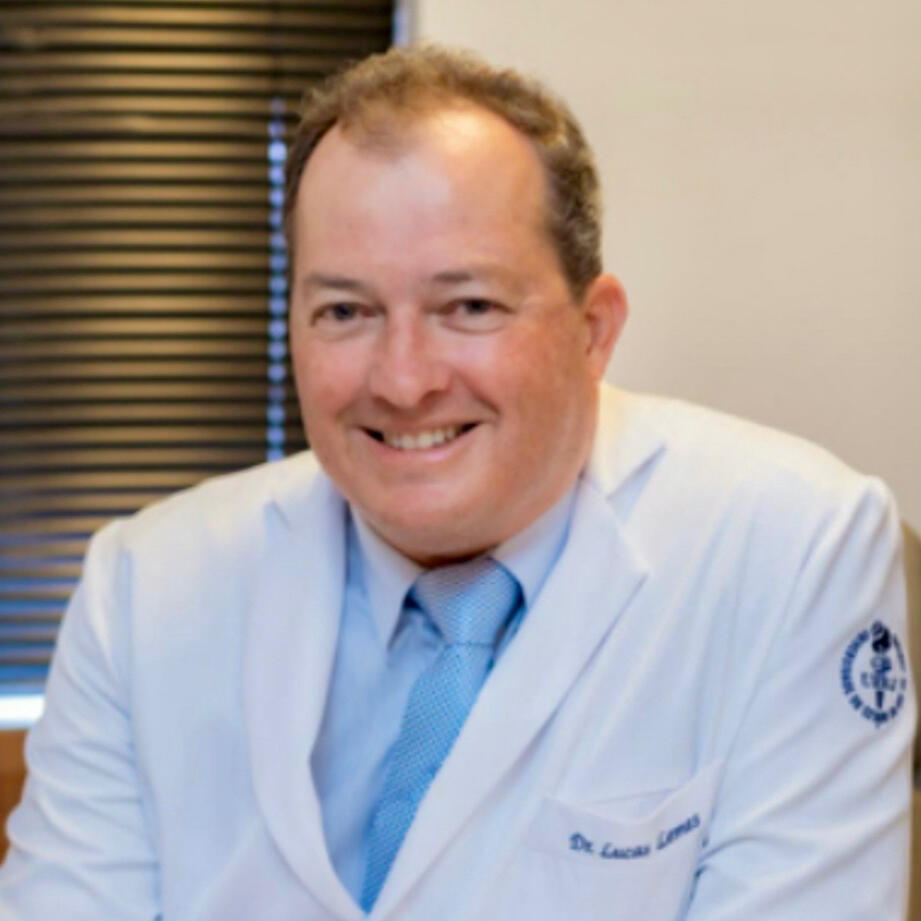
Physician, university professor at UERJ (Rio de Janeiro), and grandson of Dr. Aloysio Resende Neves.
His own scientific work earned a European patent, an unintended echo of his grandfather's unrecognized discovery.
─────────────────────────────────────
FOR PRESS · IMPRENSA
─────────────────────────────────────For media inquiries / review copies, please ask [email protected]
The full press kit is available below.Solicitações de mídia e exemplares para resenha, peça [email protected]
O press kit completo está disponível abaixo.─────────────────────────────────────
THE FAMILY · A FAMÍLIA


THE EVIDENCE · A PROVA


The house was waiting for me. Like one of those stone fortresses built in the middle of the sertão, it had always waited for me, even before I knew it existed, even before me — because houses like this, with stone walls and trees that overtake the entire sidewalk, houses that carry their own smell, their own singular biome, these houses are portals that do not begin when you arrive. They are already there.